February 19, 2026
Replacing a garage door is a significant home improvement project that can enhance your home's curb appeal, security, and functionality. A well-chosen garage door not only complements the exterior of your home but also enhances energy efficiency and provides security. Many homeowners choose to consult a professional garage door company to help navigate the wide range of options available today. The process of selecting a new garage door involves thoughtful consideration of various factors, including the type of door, materials, and budget. By understanding these elements, you can ensure that your new garage door meets both functional and aesthetic requirements.
1. Understanding Garage Door Types
1.1. Sectional Garage Doors
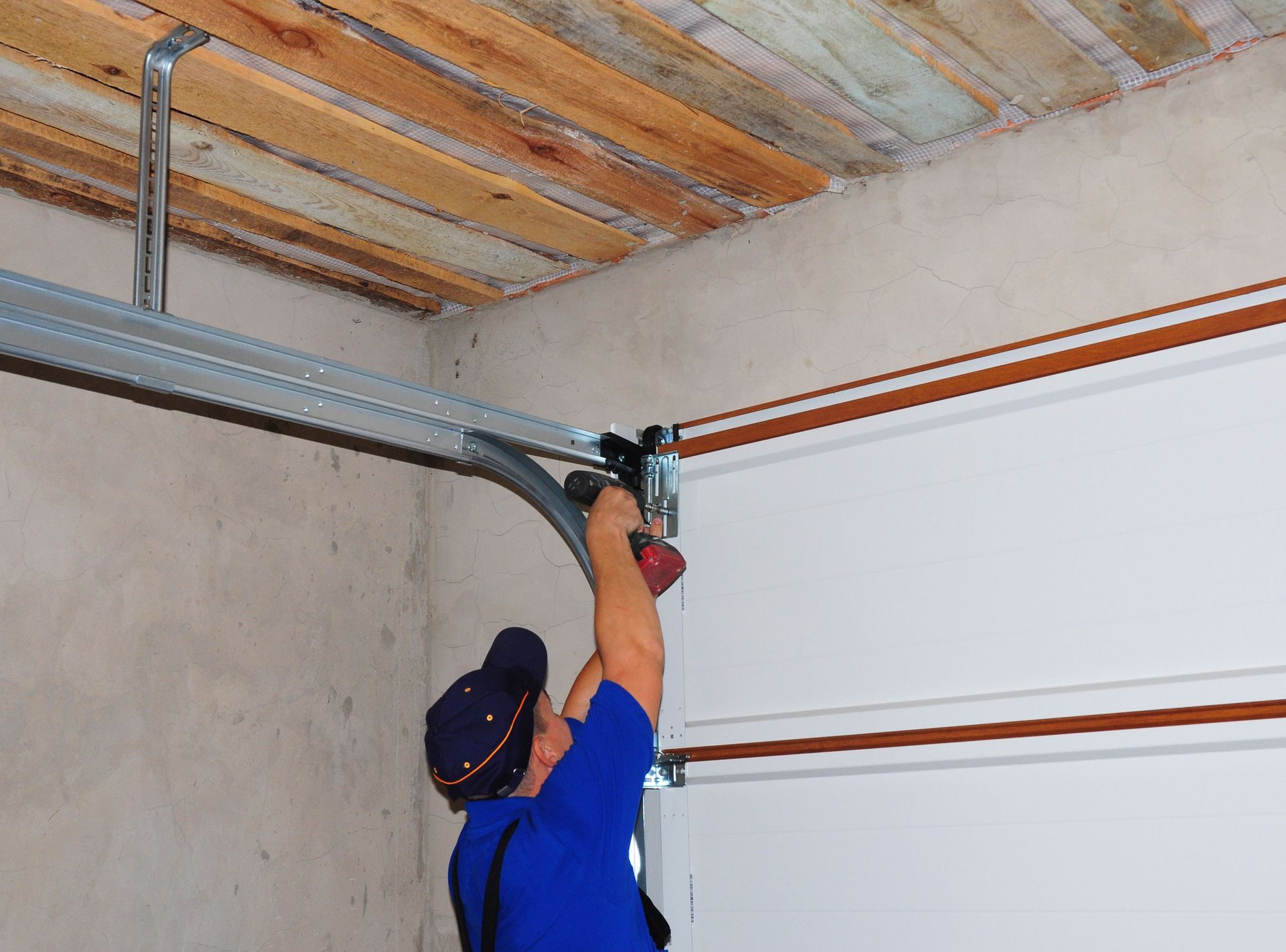
Sectional garage doors are composed of panel sections connected with hinges, allowing the door to bend and open vertically along the tracks that run on either side of the door's opening. These doors are highly popular due to their practical design and ability to make the most out of available space. They are generally insulated, providing energy-saving benefits and soundproofing, making them suitable for areas prone to temperature extremes. The sectional design allows them to fit into a standard garage door opening, which typically ranges from seven to ten feet wide. According to Bob Vila, an online home improvement resource, the standard garage door is about seven to ten feet wide and seven to eight feet high. The versatility in design and materials makes sectional doors a top choice for many homeowners, particularly those seeking a balance of efficiency and convenience.
1.2. Roll-Up Garage Doors
Roll-up garage doors are a great option for those with limited space, as they roll into a tight coil above the opening. Ideal for commercial and residential applications, these doors are durable and provide excellent security. They are constructed of several small segments that provide flexibility and compact storage when open. However, roll-up doors can be more expensive compared to other styles due to their complex mechanisms and need for professional installation. Despite the higher upfront cost, many property owners appreciate the convenience and long-term reliability they offer.
1.3. Side-Hinged Garage Doors
Retaining a classic look, side-hinged garage doors open outward like standard double doors. They are often chosen for their traditional appeal and simplicity in operation. Side-hinged doors are usually made from wood, providing a unique charm to homes styled with classic architecture. Despite their aesthetic appeal, they require more clearance to open fully and are less efficient in terms of insulation compared to other types. These doors remain a practical option for homeowners prioritizing accessibility and timeless design.
2. Material Choices
2.1. Steel Garage Doors
Steel garage doors are praised for their durability and low maintenance, making them a popular option for long-term performance. They are available in various insulation levels and finishes, allowing homeowners to tailor functionality to their needs. A knowledgeable garage door company can help compare steel door options based on strength, insulation, and appearance. Steel doors also offer excellent security and weather resistance, making them a practical solution for many climates.
2.2. Aluminum Garage Doors
Aluminum garage doors are valued for their lightweight construction and modern appearance. Their corrosion resistance makes them particularly suitable for coastal environments. While not as strong as steel, modern aluminum doors are reinforced for improved durability. They are ideal for homeowners seeking contemporary style with minimal mechanical strain.
2.3. Wooden Garage Doors
Wooden garage doors provide a warm, natural appearance that enhances traditional and custom homes. These doors can be crafted from various wood species and customized extensively. Although they require regular maintenance to protect against moisture and wear, their visual impact often outweighs the upkeep demands. Wood doors are frequently selected for high-end residential properties.
3. Insulation and Energy Efficiency
3.1. The Importance of R-Value
The R-value measures how effectively a garage door resists heat transfer. Higher R-values indicate better insulation performance, which can significantly impact energy efficiency. Consulting a garage door company can help homeowners select the appropriate R-value for their climate and usage needs. Proper insulation supports temperature stability and reduces energy loss throughout the home.
3.2. Benefits of Insulated Garage Doors
Insulated garage doors help regulate indoor temperatures and reduce noise from outside sources. They are especially beneficial for garages connected to living spaces or used as workshops. Improved insulation contributes to energy savings and enhanced comfort. Over time, these benefits can offset the initial investment.
3.3. Comparing Insulation Types
Polystyrene and polyurethane are the two primary insulation types used in garage doors. Polystyrene panels offer affordability and moderate insulation, while polyurethane provides superior thermal performance by filling internal spaces. Choosing the right insulation depends on budget, climate, and performance expectations. Each option offers distinct advantages.
4. Aesthetic Appeal and Design
4.1. Matching Your Home's Architecture
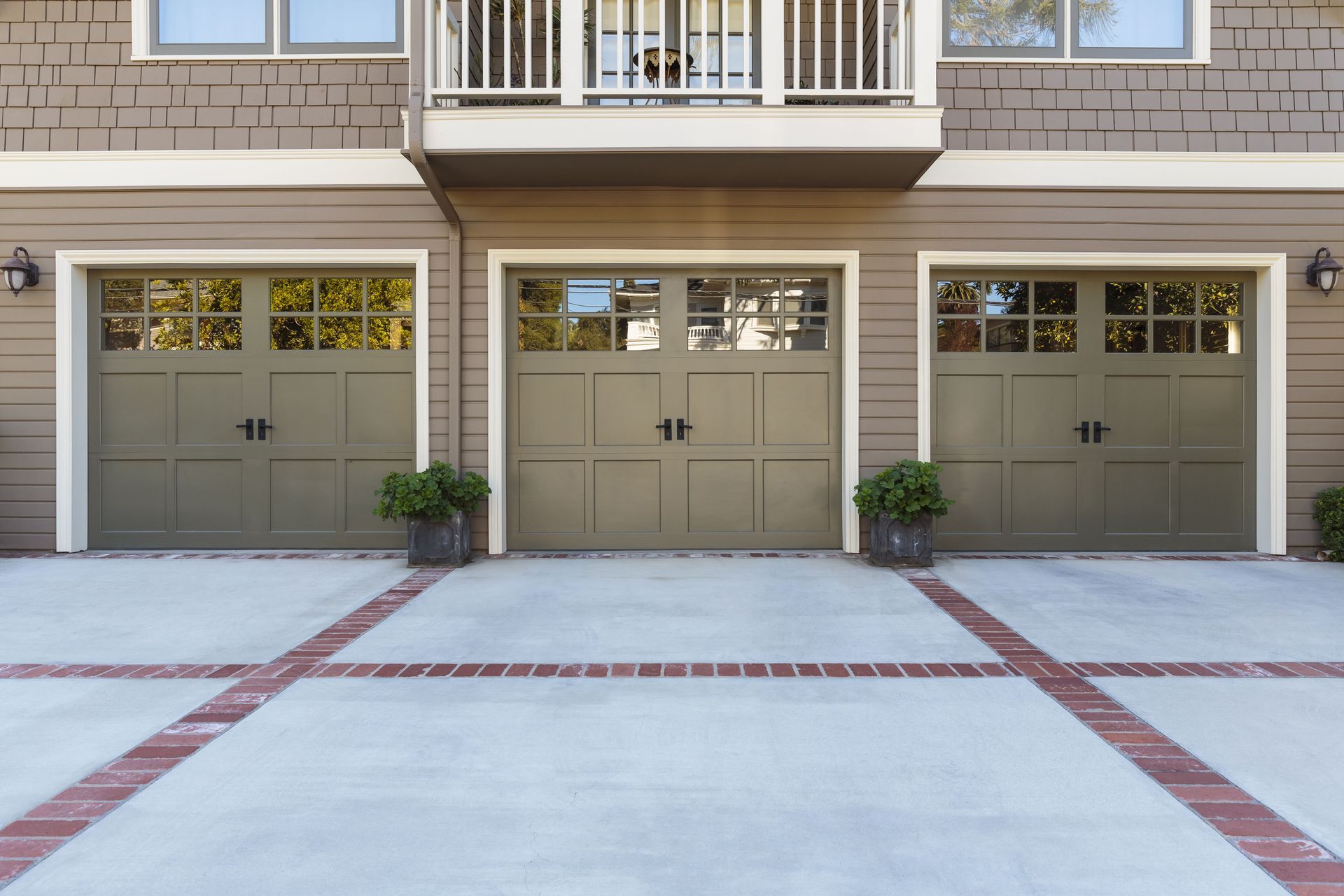
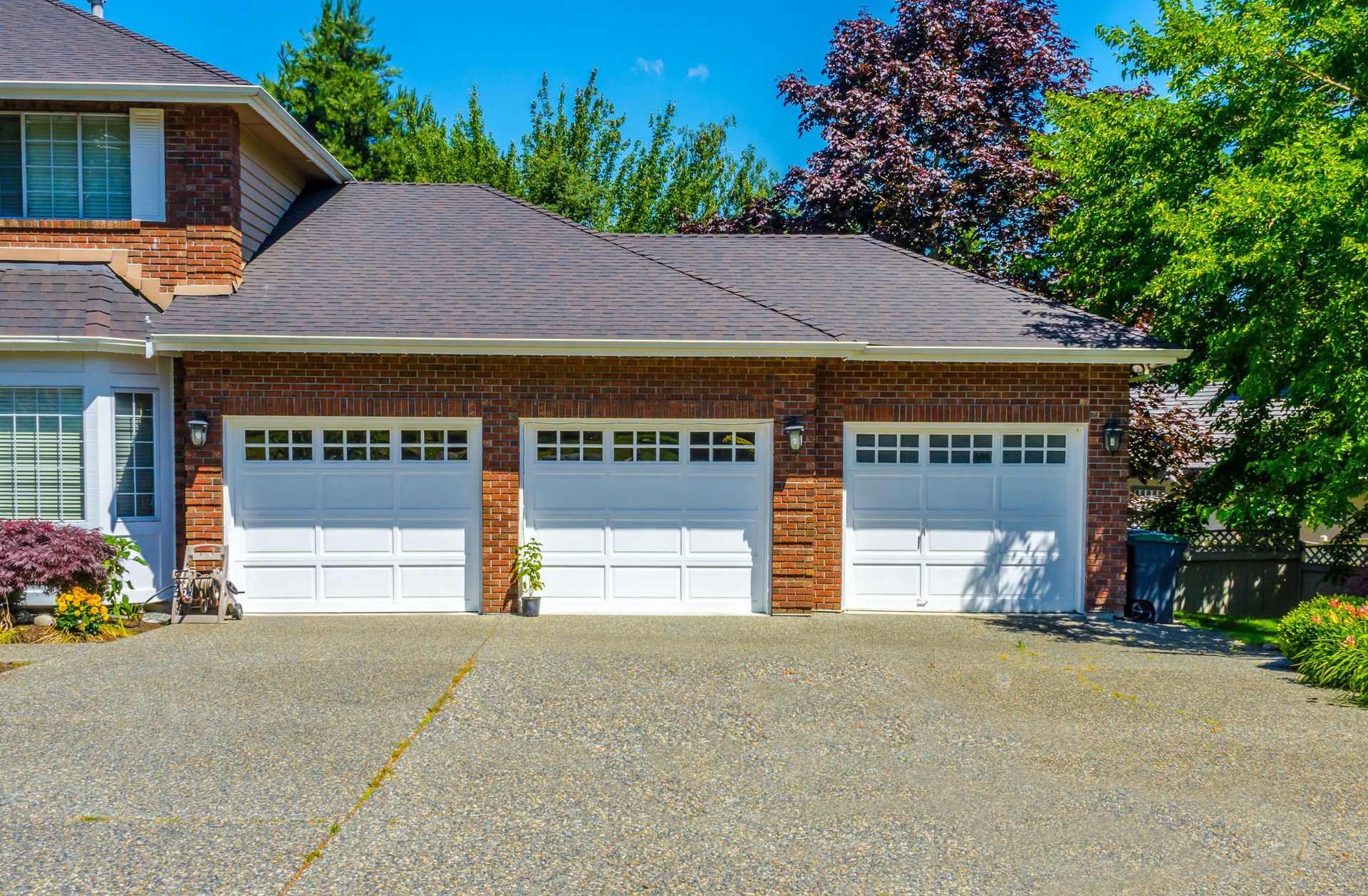
A garage door should complement your home's architectural style. Whether traditional or modern, selecting a cohesive design enhances curb appeal. Details such as panel layout and proportions contribute to visual harmony. A well-matched door can significantly elevate exterior appearance.
4.2. Color and Finish Options
Color and finish choices allow homeowners to personalize their garage doors. Neutral tones offer timeless appeal, while bold colors create contrast and character. Finishes also affect maintenance and longevity. Thoughtful selection balances aesthetics with practicality.
4.3. Window Design and Placement
Windows add light and visual interest to garage doors. Styles range from decorative inserts to full-view panels. While windows enhance appearance, they also affect insulation and privacy. Strategic placement achieves both beauty and function.
4.4. Decorative Hardware
Decorative hardware adds character through handles, hinges, and accents. These elements are especially popular in carriage-style designs. Selecting finishes that match exterior fixtures creates a cohesive look. Hardware details can subtly elevate the overall design.
5. Budget Considerations
5.1. Establishing a Budget
Setting a clear budget helps guide decision-making throughout the replacement process. Costs include materials, insulation, and installation. Working with a reputable garage door company can provide accurate estimates and prevent overspending. Planning ahead reduces financial surprises.
5.2. Assessing Costs and ROI
Garage door replacement often delivers strong returns on investment. Improved curb appeal and functionality increase property value. While upfront costs vary, long-term benefits are substantial. Evaluating ROI supports informed spending decisions.
5.3. Comparing Price vs. Value
Choosing the lowest price does not always deliver the best value. Higher-quality doors often last longer and perform better. Balancing cost with durability and features ensures satisfaction. Value-focused decisions reduce future expenses.
5.4. Financing Options
Financing solutions can make garage door replacement more manageable. Options include home improvement loans or contractor financing. Comparing terms helps identify the most cost-effective approach. Flexible payment options support project completion.
6. Safety and Security Features
6.1. Modern Locking Mechanisms
Advanced locking systems improve garage security and convenience. Options include smart locks and electronic keypads. A trusted garage door company can recommend systems suited to your needs. Enhanced locks protect against unauthorized access.
6.2. Impact Resistance and Reinforcement
Reinforced doors provide protection against storms and forced entry. Impact-resistant designs improve durability and safety. These features are especially important in extreme weather regions. Added strength delivers peace of mind.
6.3. Automatic Reverse Features
Automatic reverse mechanisms prevent accidents by stopping door movement when obstacles are detected. This feature is essential for households with children or pets. Regular testing ensures proper operation. Safety features should never be overlooked.
6.4. Smart Technology Integration
Smart technology allows remote monitoring and control of garage doors. Homeowners receive alerts and manage access from anywhere. Integration enhances both security and convenience. Smart features support modern lifestyles.
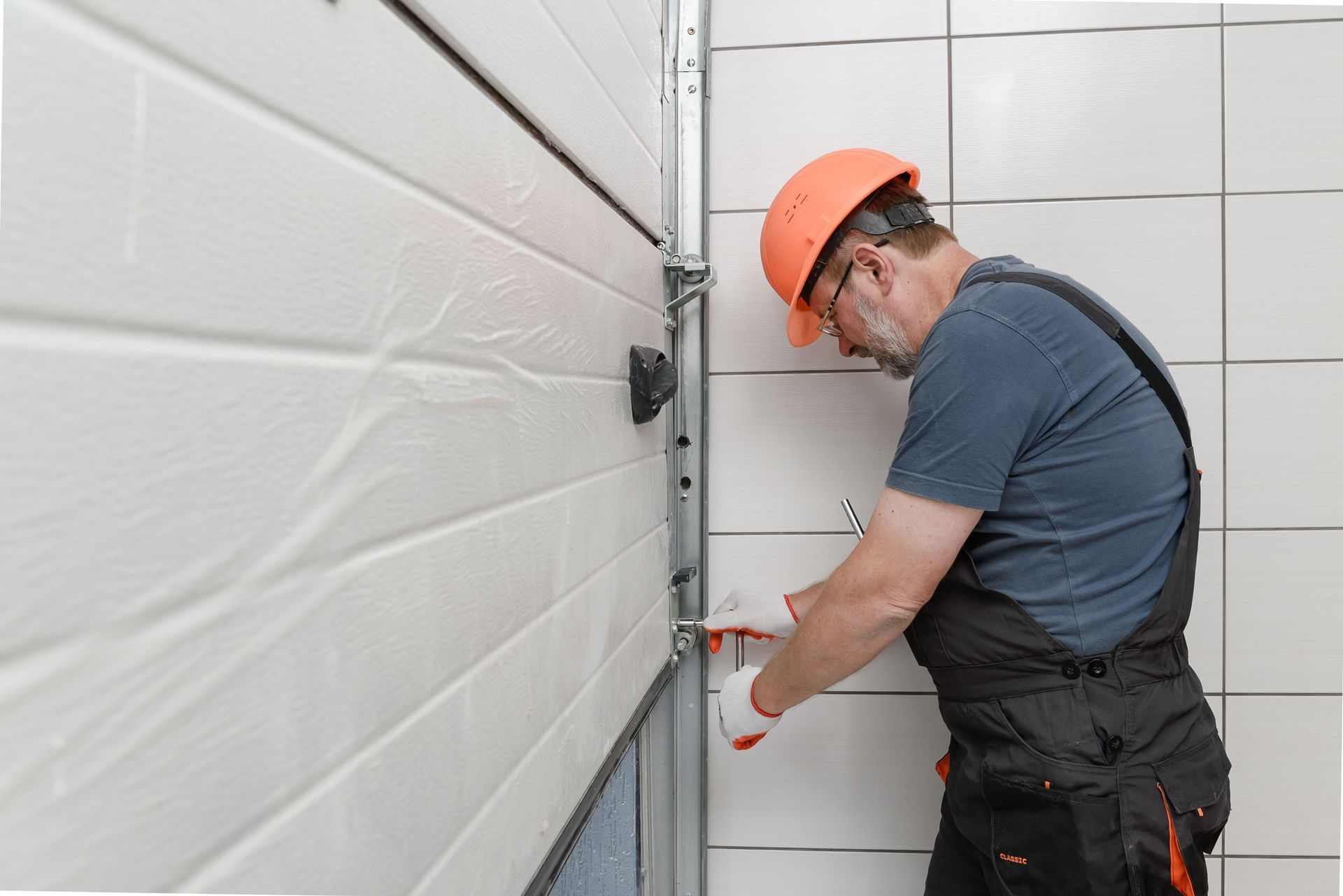
Selecting the right garage door company is just as important as choosing the door itself. Professional installation ensures proper alignment, safe operation, and long-term reliability. An experienced garage door company can also provide guidance on warranties, maintenance plans, and future upgrades. Contact our team at Garage Door Pro NC today and learn more about our garage services.