March 10, 2026
Garage doors are essential for home security and convenience, but over time, common issues like misaligned tracks, malfunctioning sensors, and broken springs can compromise their safety and functionality. Recognizing the warning signs early—whether it’s a door that won’t close properly, squeaks and grinding noises, or sudden jerky movements—can prevent minor problems from escalating into costly local garage door repairs or hazardous situations. Understanding these common issues and prioritizing timely maintenance ensures your garage door operates smoothly, safely, and reliably year-round.
1. Misaligned Tracks
Misaligned tracks are one of the most frequent issues homeowners face with garage doors. Common symptoms include the door refusing to open or close completely, or making squeaking and grinding noises during operation. The door may appear tilted, making it visually obvious that something is amiss. Ignoring these signs can exacerbate the problem, leading to more significant damage over time. It's essential to act promptly when these symptoms manifest to prevent further complications.
The most typical causes of track misalignment are physical impacts or gradual wear and tear. Accidental bumps from vehicles or heavy objects can force the tracks out of alignment. Over time, the continuous operation can loosen the bolts holding the tracks, causing them to shift. Weather conditions and temperature fluctuations can also contribute by affecting the metal components of the door assembly. Understanding these causes can help in taking preventative steps to maintain alignment.
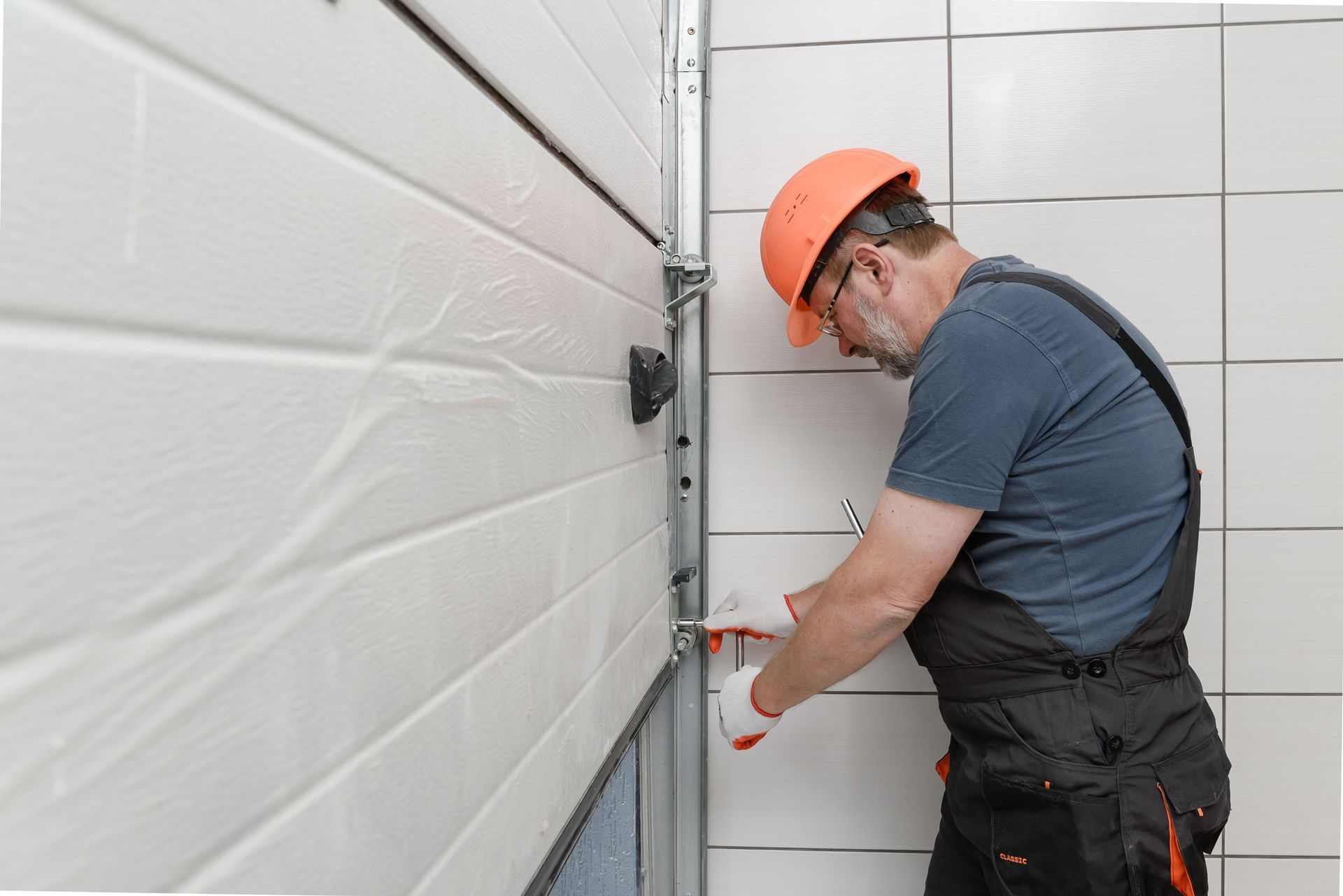
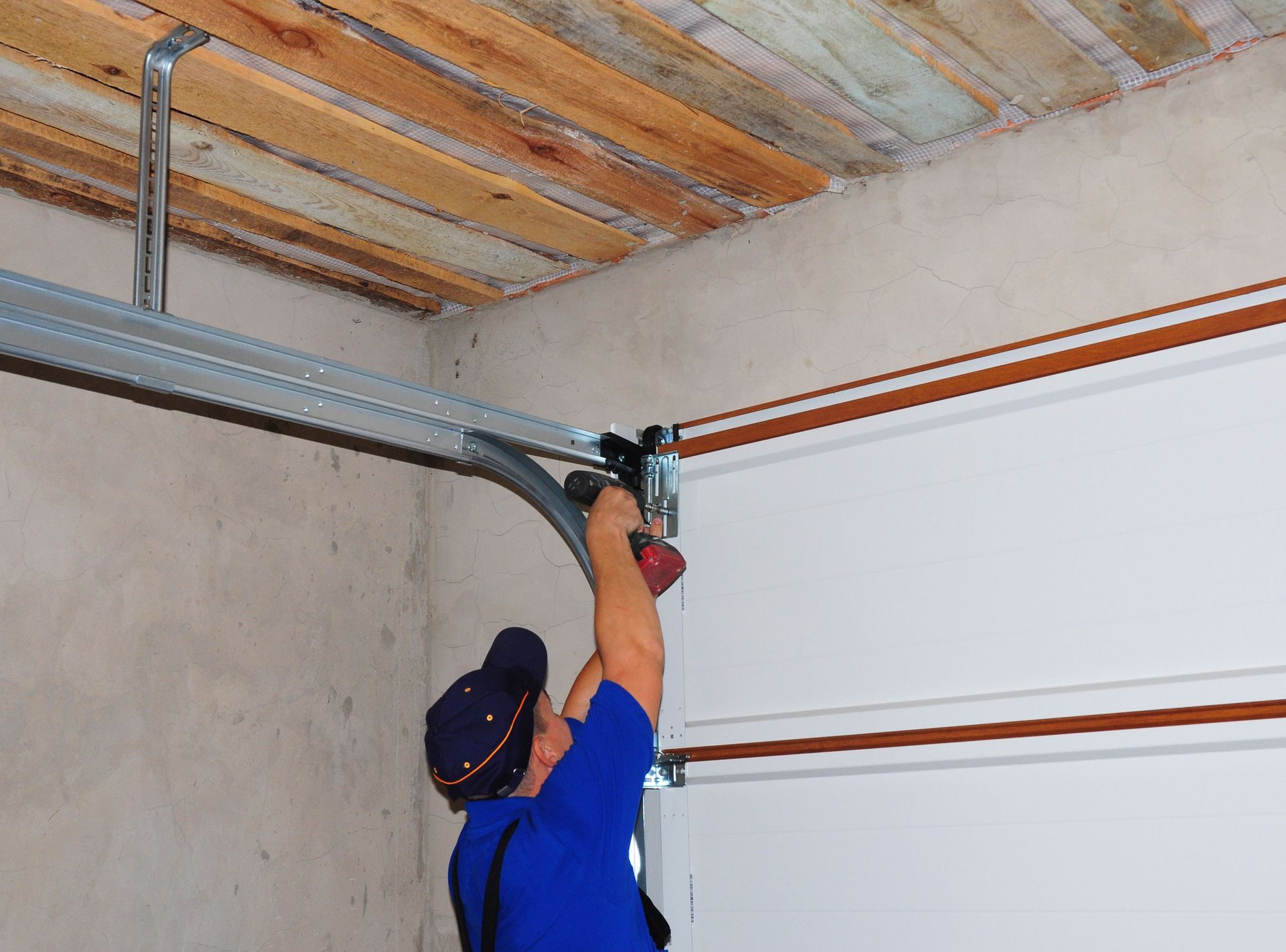
While minor misalignments can sometimes be corrected with a bit of DIY knowledge, significant issues require professional intervention. DIY repairs might involve tightening bolts or gently adjusting the track's position using appropriate tools. However, professional technicians have the expertise and equipment to handle complex alignment problems safely and efficiently. Given the risks of improper handling, opting for professional local garage door repair is often the safest choice to avoid further damaging the system.
Preventing misalignment involves a combination of regular maintenance and careful usage of the garage door. Homeowners should routinely inspect the tracks for wear and tear and tighten any loose bolts. It's also advisable to avoid knocking into the tracks with vehicles or equipment and educate family members about careful operation. Installing bump guards can add an additional layer of protection against accidental impacts. Consistent vigilance can maintain track alignment and extend the lifespan of your garage door.
Timely local garage door repair of misaligned tracks is crucial in preventing minor issues from evolving into major problems. An unaddressed misalignment can strain other components like the springs and cables, leading to a comprehensive failure of the system. Quick repair minimizes downtime and avoids costly replacements, maintaining the usability of your garage door. Homeowners who prioritize prompt repair ensure that their doors remain safe and functional. Furthermore, timely intervention can enhance the overall lifespan of the garage door system.
2. Sensor Malfunctions
Garage door sensors play a critical role in the safety and functionality of the system. These sensors are typically located near the ground on either side of the garage door and work by emitting an invisible beam. If the beam is interrupted, the door automatically stops and reverses, preventing potential accidents. This safety mechanism is crucial, particularly in households with children and pets. Without properly functioning sensors, the door might close unexpectedly, causing injury or damage.
Signs that your garage door sensors might be malfunctioning include the door not closing completely or reversing without obstruction. Another symptom is the sensors themselves showing blinking or steady lights, indicating a failure to detect the alignment. Sometimes, dirt and debris can obstruct the sensor's beam, leading to erratic door behavior. These issues can vary in severity, and often a simple cleaning can resolve minor blockages. Recognizing these signs early can prevent more serious operational problems.
Many sensor problems are easily fixed within minutes, restoring your garage door's proper function. Cleaning the sensor lenses with a soft cloth can clear any obstructive dust or dirt. Ensuring that both sensors are properly aligned can solve many operational issues. If the sensors were accidentally hit or nudged, gently realigning them can restore functionality. If these quick fixes don't resolve the problem, further professional diagnosis may be needed.
While some sensor issues can be resolved with DIY efforts, there are times when replacement is the best option. Typically, if the sensors are damaged physically or have reached the end of their operational life, replacement becomes necessary. Sensors, like other garage door components, have a finite lifespan and may require updates as technology progresses. According to Fixr, a garage door opener—including its sensors—generally lasts 10 to 15 years before requiring replacement. Monitoring the functionality over time will inform you when it's time to make the switch.
Ongoing sensor maintenance is key to ensuring seamless operation and safety. Regular inspections, including cleaning and alignment checks, keep the sensors operating effectively. Routine testing of the obstruction detection feature will alert you to any malfunctions early. When issues arise that you cannot resolve, professional examination and servicing are advised. These proactive measures guarantee that your garage doors operate as intended while minimizing the risk of injury or damage.
3. Broken Springs
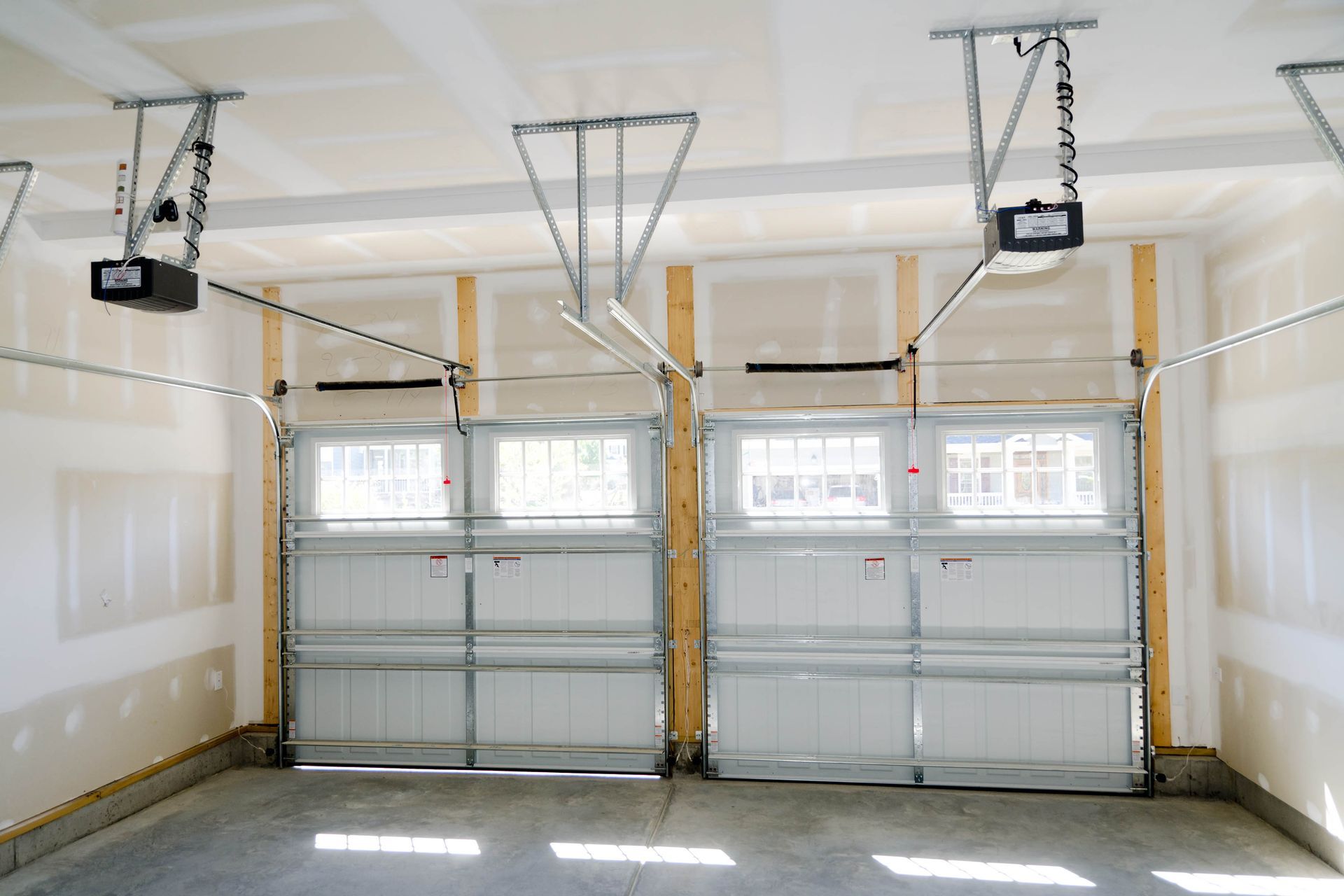
Garage doors typically use two main types of springs: torsion and extension springs. Torsion springs are mounted horizontally above the door, while extension springs are placed on either side of the door tracks. Each type of spring supports the door's weight and allows for smooth opening and closing. The choice between the two often depends on the door's design and operational needs. Knowing the type of spring you have can streamline local garage door repairs and replacements.
Recognizing signs of spring damage can prevent dangerous situations, as broken springs might suddenly snap. Symptoms of spring damage include unusual door movement, such as quick or lopsided opening and closing. You might also hear loud bangs, indicating spring failure. A visual inspection may reveal gaps in torsion springs or stretched extension springs. Addressing these issues quickly is crucial for safe door operation.
While many homeowners enjoy DIY repairs, handling garage door springs is hazardous without proper expertise. The high tension in springs can cause serious injury if unintentionally released. A failed DIY repair could worsen the problem, increasing local garage door repair costs. It's recommended to leave spring repairs and replacements to qualified professionals who have the right tools and training. Their expertise guarantees repairs carried out safely and effectively.
Professional repair techniques for broken springs involve careful removal and replacement of faulty components. Technicians first relieve the existing tension safely before removing the damaged spring. Replacement involves choosing the right size and strength spring to match the door's requirements. Professionals re-apply tension and test door operation to ensure balanced movement. This expertise maximizes local garage door repair longevity and functionality.
Proper maintenance can substantially extend the lifespan of garage door springs. Regular lubrication minimizes friction and wear, ensuring smooth operation. Homeowners are advised to inspect springs for rust and damage consistently and schedule professional servicing when wear is apparent. Limiting the number of daily cycles can also manage wear over time. Adopting these habits ensures your springs provide reliable service for many years.
Maintaining a properly functioning garage door is critical for both safety and convenience. Regular inspections, prompt local garage door repairs, and professional servicing of tracks, sensors, and springs help prevent accidents, extend the door’s lifespan, and save money on costly replacements. Don’t wait for a failure to disrupt your day—schedule a professional garage door assessment from Garage Door Pro NC today and keep your home secure and your door running smoothly.